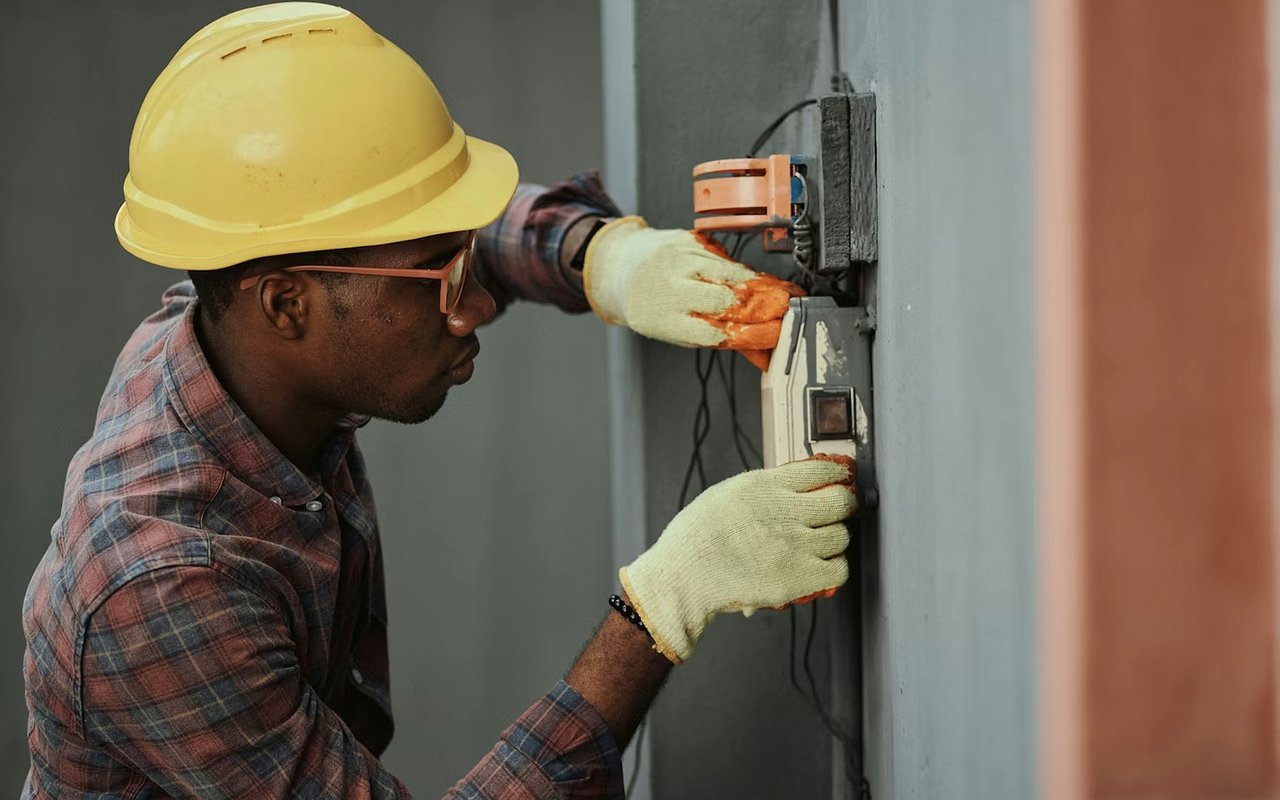
A home inspection is a standard part of the homebuying process, providing a detailed review of a property’s condition. For buyers in The Woodlands, TX, it’s an essential step to ensure that the home they are purchasing meets their expectations and is free from major issues. However, inspections often reveal repairs or maintenance needs that were not apparent during initial showings. Knowing how to negotiate repairs after a home inspection can protect your investment and help you close the transaction smoothly.
Step 1: Review the Inspection Report Carefully
Once the home inspection is complete, you will receive a detailed report outlining the condition of the home’s major systems, including the roof, plumbing, electrical, HVAC, and structural components. It is important to review this report thoroughly. Pay particular attention to items that are safety-related, potentially costly, or that could affect the home’s long-term value.
Make a list of issues you consider significant enough to warrant further discussion with the seller. Minor cosmetic repairs, such as paint touch-ups or small cosmetic defects, are typically not included in repair negotiations. Focusing on major repairs ensures your requests are reasonable and more likely to be accepted.
Make a list of issues you consider significant enough to warrant further discussion with the seller. Minor cosmetic repairs, such as paint touch-ups or small cosmetic defects, are typically not included in repair negotiations. Focusing on major repairs ensures your requests are reasonable and more likely to be accepted.
Step 2: Prioritize Repair Requests
Not all issues in an inspection report hold the same weight. Prioritize the repairs that have the greatest impact on safety, functionality, or future costs. For example, a leaking roof or faulty electrical wiring should take precedence over minor cosmetic concerns.
Organize your requests in a clear and concise manner. Group similar issues together and estimate the cost of repair if possible. This approach demonstrates that your requests are based on objective criteria rather than personal preference.
Organize your requests in a clear and concise manner. Group similar issues together and estimate the cost of repair if possible. This approach demonstrates that your requests are based on objective criteria rather than personal preference.
Step 3: Understand Your Negotiation Options
After identifying the key issues, buyers typically have three main options for negotiating repairs:
Request Repairs Before Closing
You can ask the seller to complete specific repairs before the sale is finalized. This ensures that issues are addressed prior to move-in, but some sellers may be reluctant to coordinate repairs.
Request a Credit or Price Reduction
Instead of having the seller perform repairs, you may negotiate a credit at closing or a reduction in the sale price. This option gives you control over hiring your preferred contractor and scheduling the work.
Ask for Contingencies or Escrow Holds
In some cases, buyers may negotiate to place funds in escrow to cover repair costs, ensuring that repairs are completed after closing. This approach is particularly useful when repairs cannot be completed immediately.
Step 4: Communicate Clearly and Professionally
When submitting your repair requests, it is important to maintain a professional tone. Use clear, concise language and refer specifically to the inspection report. Avoid emotional language or demands. A professional request demonstrates that you are reasonable and serious about completing the transaction.
Include supporting documentation when possible, such as estimates from contractors or references from local professionals. Providing evidence for your requests strengthens your position and reduces the likelihood of disputes.
Include supporting documentation when possible, such as estimates from contractors or references from local professionals. Providing evidence for your requests strengthens your position and reduces the likelihood of disputes.
Step 5: Consider the Seller’s Perspective
Negotiations are a two-way street. Keep in mind that the seller may have financial or logistical constraints that affect their willingness to complete certain repairs. Be prepared to compromise on minor items or consider alternative solutions, such as a credit instead of direct repairs.
Maintaining a cooperative approach can help facilitate a positive outcome for both parties. Sellers are often more receptive when they feel the requests are reasonable and the buyer is flexible.
Maintaining a cooperative approach can help facilitate a positive outcome for both parties. Sellers are often more receptive when they feel the requests are reasonable and the buyer is flexible.
Step 6: Work with Your Real Estate Agent
Navigating repair negotiations can be complex, particularly in a competitive market like The Woodlands. Your real estate agent plays a critical role in helping you strategize and communicate effectively with the seller. Agents can provide guidance on what repairs are reasonable to request, help draft repair addendums, and ensure that your interests are protected throughout the process.
An experienced agent will also help you interpret the inspection report, differentiate between cosmetic issues and major repairs, and manage expectations regarding what the seller is likely to agree to. Their expertise can be a decisive factor in reaching a satisfactory resolution.
An experienced agent will also help you interpret the inspection report, differentiate between cosmetic issues and major repairs, and manage expectations regarding what the seller is likely to agree to. Their expertise can be a decisive factor in reaching a satisfactory resolution.
Step 7: Keep Everything Documented
All repair requests and agreements should be documented in writing. This includes the initial request, any counteroffers from the seller, and the final agreement. Written documentation ensures that there is a clear record of what was agreed upon and can prevent misunderstandings during closing.
Use formal addendums to the purchase agreement rather than informal emails or verbal agreements whenever possible. This provides legal clarity and protects both parties in the event of a dispute.
Use formal addendums to the purchase agreement rather than informal emails or verbal agreements whenever possible. This provides legal clarity and protects both parties in the event of a dispute.
Step 8: Know When to Walk Away
While most negotiations result in a compromise, there may be situations where the requested repairs are critical, and the seller is unwilling to cooperate. If the issues are substantial—such as major structural problems, mold, or faulty electrical systems—it may be in your best interest to reconsider the purchase.
Understanding your limits and being prepared to walk away can save you from purchasing a home with unforeseen costs and risks. Consulting your agent and considering a second opinion from a licensed contractor can provide additional insight before making a final decision.
Understanding your limits and being prepared to walk away can save you from purchasing a home with unforeseen costs and risks. Consulting your agent and considering a second opinion from a licensed contractor can provide additional insight before making a final decision.
Negotiate Like a Pro
Negotiating repairs after a home inspection requires a careful balance of preparation, communication, and strategy. By reviewing the inspection report thoroughly, prioritizing repairs, understanding your negotiation options, and working closely with a knowledgeable agent, buyers in The Woodlands, TX, can navigate the process with confidence. Remember to document all agreements in writing and maintain a professional, cooperative approach to increase the likelihood of a successful outcome.
For buyers who want guidance on the next steps after a home inspection, an experienced agent can provide valuable support and expertise. Understanding what to do after a home inspection in The Woodlands can make a significant difference in ensuring a smooth transaction and protecting your investment.
For buyers who want guidance on the next steps after a home inspection, an experienced agent can provide valuable support and expertise. Understanding what to do after a home inspection in The Woodlands can make a significant difference in ensuring a smooth transaction and protecting your investment.
About Beth Ferester
Beth Ferester has built a career spanning more than 40 years, earning recognition as one of Houston’s leading real estate professionals. Her team reached a significant milestone when her eldest granddaughter, Grace Petty, expressed interest in joining the family business.
Together, Beth and Grace work closely, combining their strengths to create innovative solutions for clients. They blend Beth’s extensive industry knowledge with Grace’s technical skills and fresh perspective, ensuring transactions move efficiently from start to finish. Their approach emphasizes treating each client like family, making the process of buying or selling a home both manageable and rewarding.
Ready to explore real estate in The Woodlands, TX? Contact Beth Ferester today to begin the search for your dream home.
Together, Beth and Grace work closely, combining their strengths to create innovative solutions for clients. They blend Beth’s extensive industry knowledge with Grace’s technical skills and fresh perspective, ensuring transactions move efficiently from start to finish. Their approach emphasizes treating each client like family, making the process of buying or selling a home both manageable and rewarding.
Ready to explore real estate in The Woodlands, TX? Contact Beth Ferester today to begin the search for your dream home.