By Beth Ferester
The Woodlands was designed around greenbelts, waterways, and connected pathways, so daily walks can run from shaded forest corridors to lakeside promenades without long drives. A loop around The Woodlands Waterway near The Cynthia Woods Mitchell Pavilion feels completely different from a quieter stretch by Bear Branch Park in Cochran’s Crossing, and those differences matter when the goal is a consistent routine.
This guide breaks down walking trails The Woodlands residents use most often, with specific routes that fit different parts of the community.
Key Takeaways
- Lakeside loop: Choose a repeatable route with clear wayfinding.
- Forest shade: Use greenbelts for cooler-feeling walks and quieter stretches.
- Errand pairing: Pick trails near shopping or dining for a simple before-and-after plan.
- Timing plan: Use early hours for smoother pacing and comfortable parking.
The Woodlands Waterway and Town Center Trail Loop
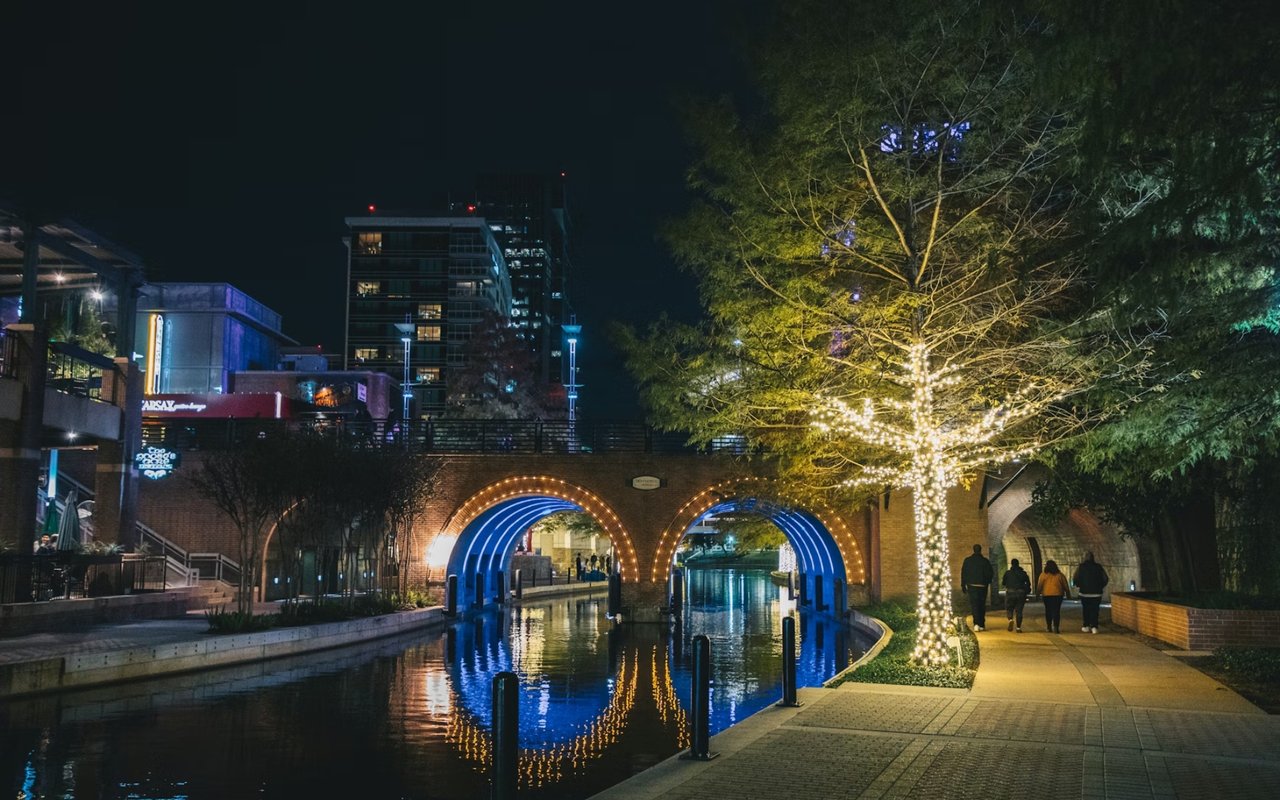
The Waterway corridor delivers a walkable, polished route that connects Town Green Park, Market Street, and the Waterway Square area in a single outing.
Why this loop is a go-to for everyday walking
- Waterway Avenue paths: Wide sidewalks and clear crossings keep the route comfortable and easy to follow.
- Town Green Park connection: Open lawn and shade pockets create a natural pause point near the pavilion district.
- Market Street and Waterway Square access: Coffee and dining options nearby support a walk that flows into errands or a casual meal.
- Parking strategy: Multiple garage options help keep logistics simple for weeknights and event days.
Lake Woodlands and Hughes Landing Lakeside Routes
Lake Woodlands creates a calmer water-view experience with routes that feel slightly removed from the Town Center bustle.
Why lakeside walking feels different here
- Hughes Landing Boardwalk area: Waterfront sidewalks and evening lighting support a comfortable sunset loop near restaurants.
- Northshore Park access points: Open space and lakefront views make it easy to settle into a longer, slower walk.
- Lake Woodlands shoreline segments: Quiet stretches and gentle curves keep the route scenic and repeatable.
- Bridge crossings for variety: Short bridge connections extend distance while keeping navigation simple.
George Mitchell Nature Preserve for Forest Immersion
George Mitchell Nature Preserve offers a more natural trail experience with wide canopy cover and a sense of getting away while staying close to home.
Why this preserve is ideal for a nature-first walk
- Trailhead planning: Flintridge Drive and Gosling Road access points provide straightforward entry and reliable parking.
- Canopy and terrain variety: Shaded corridors and natural surfaces keep the route engaging and cooler-feeling.
- Long-distance options: Connector paths allow distance to build naturally without repeating short loops.
- Quieter pacing: Fewer commercial edges create a calmer soundscape and a slower rhythm.
Bear Branch Park and the Cochran’s Crossing Greenbelt Network
Bear Branch Park sits in a central residential pocket and pairs playgrounds, sports areas, and greenbelt paths that work well for routine loops.
Why this area works for consistent weekly routines
- Bear Branch Trail loops: Park-based routes support repeatable distances with restrooms and open fields nearby.
- Greenbelt connectors: Pathways linking neighborhoods create a route that feels like a moving tour of the village.
- Neighborhood landmarks: Small ponds and pocket parks create natural turnarounds that structure a loop.
- After-walk convenience: Quick drives to local shopping nodes make it easy to pair a walk with errands.
Rob Fleming Park and Creekside Park Paths
Rob Fleming Park provides a scenic setting in Creekside Park with trails that feel spacious and well-kept.
Why Creekside Park routes feel well-structured
- Rob Fleming Park loop: Open green space and clear paths create an easy starting point for a relaxed walk.
- Creekside pathway connections: Linked sidewalks and greenbelts make it simple to expand distance into a multi-mile route.
- Pond-side segments: Water features and shade trees create a calm pace that suits longer walks.
- Errand pairing near Creekside Village Center: Nearby shopping and dining support a walk that flows into a practical stop afterward.
FAQs
Which trail works best for a quick weekday walk?
The Waterway loop is a strong choice because the path is easy to follow, and the access points keep parking and timing simple. Bear Branch Park also works well for a quick loop because the park layout supports repeatable distances with clear amenities.
Where do you go for the most “nature” feeling close to town?
George Mitchell Nature Preserve delivers the most forest-immersive experience with canopy cover and natural trail surfaces. The preserve also supports longer distances through connector paths that keep the outing feeling varied.
How do you choose a trail that fits a specific part of The Woodlands?
I start with the village and pick the closest “anchor” park, then use connecting greenbelts to build distance without complicated navigation. A plan that matches the daily drive pattern makes it easier to keep walking consistently across the week.
Contact Beth Ferester Today
The Woodlands stands out because trails run through villages, lakes, and greenbelts in a way that makes outdoor time feel built into daily life, from Town Center walks to Creekside Park loops.
Contact me, Beth Ferester, today, and I’ll connect walking trails The Woodlands routines to the neighborhoods that support them, including which streets and greenbelts make it easiest to walk to a lake, a park, or a quick coffee stop.
Contact me, Beth Ferester, today, and I’ll connect walking trails The Woodlands routines to the neighborhoods that support them, including which streets and greenbelts make it easiest to walk to a lake, a park, or a quick coffee stop.