Worried your older Grogan’s Mill home will be compared unfairly to newer listings? You are not alone. Many longtime owners wonder how to highlight charm, condition, and value without over-improving or underpricing. The good news is that with the right prep, pricing, and launch strategy, you can sell with confidence in this market. Let’s dive in.
Why Grogan’s Mill Still Stands Out
Grogan’s Mill is the original village of The Woodlands, opening in 1974. That history matters because buyers are not just looking at square footage. They are also noticing mature trees, established streetscapes, and a neighborhood with a strong identity.
The area also has an active reinvestment story. Grogan’s Mill Village Center is being revitalized with a new library and community center along with updated retail. That gives sellers an important positioning advantage: your home can be presented as part of a mature, well-loved area that continues to improve.
Housing stock here is also mixed, which means older homes are a real part of the market, not an exception. Point2Homes data shows a median construction year of 1999, with 17.7% of homes built in the 1970s and 16.0% in the 1980s. In other words, buyers shopping in Grogan’s Mill are already considering homes with a range of ages and conditions.
What the Current Market Means for Sellers
In today’s market, presentation and pricing matter more than ever. HAR’s June 2026 update for The Woodlands shows 3.2 months of inventory, 30.2 days on market, and a median sold price of $829,676, with listings up 19.7% year over year.
At the neighborhood level, Redfin’s snapshot for Grogan’s Mill for the three months ending May 2026 shows a median sale price of $429,855 and about 40 days on market. The time periods are not identical, but the trend is clear: Grogan’s Mill sits in a lower price band and is moving a bit more slowly than the broader Woodlands market.
That does not mean your home will struggle to sell. It means buyers have options, so your home needs a clear strategy from day one. A well-prepared older home can absolutely compete, but it usually wins on value, presentation, and honest positioning rather than on age alone.
Focus on Updates That Matter
If you are selling an older home, you do not need to turn it into a brand-new one. Most buyers still purchase previously owned homes, but many buyers who choose new construction do so to avoid renovation concerns and worries about plumbing or electrical issues. That means your goal is to reduce signs of future hassle.
The most effective prep plan is usually selective, not extreme. Before you spend heavily on a remodel, focus on the items buyers notice right away and the issues that create friction during showings.
Best pre-listing updates
- Neutral paint
- Improved lighting
- Decluttering
- Deep cleaning
- Flooring touchups or replacement where wear is obvious
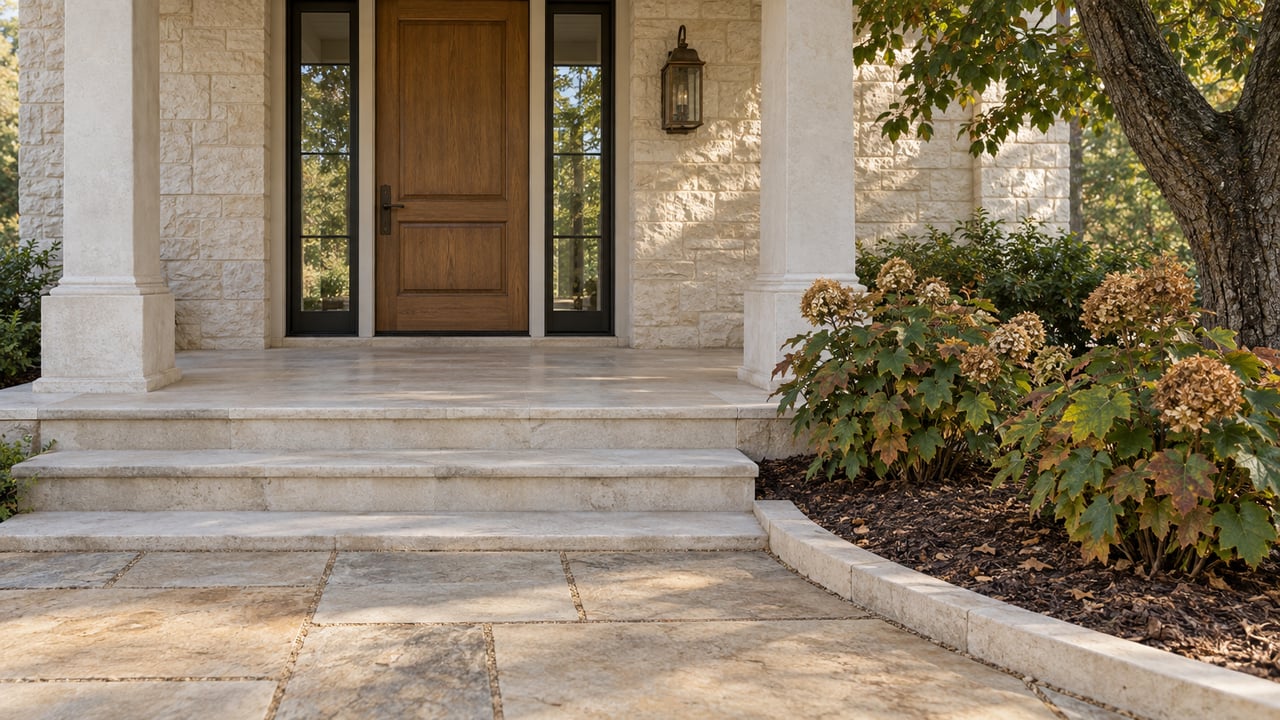
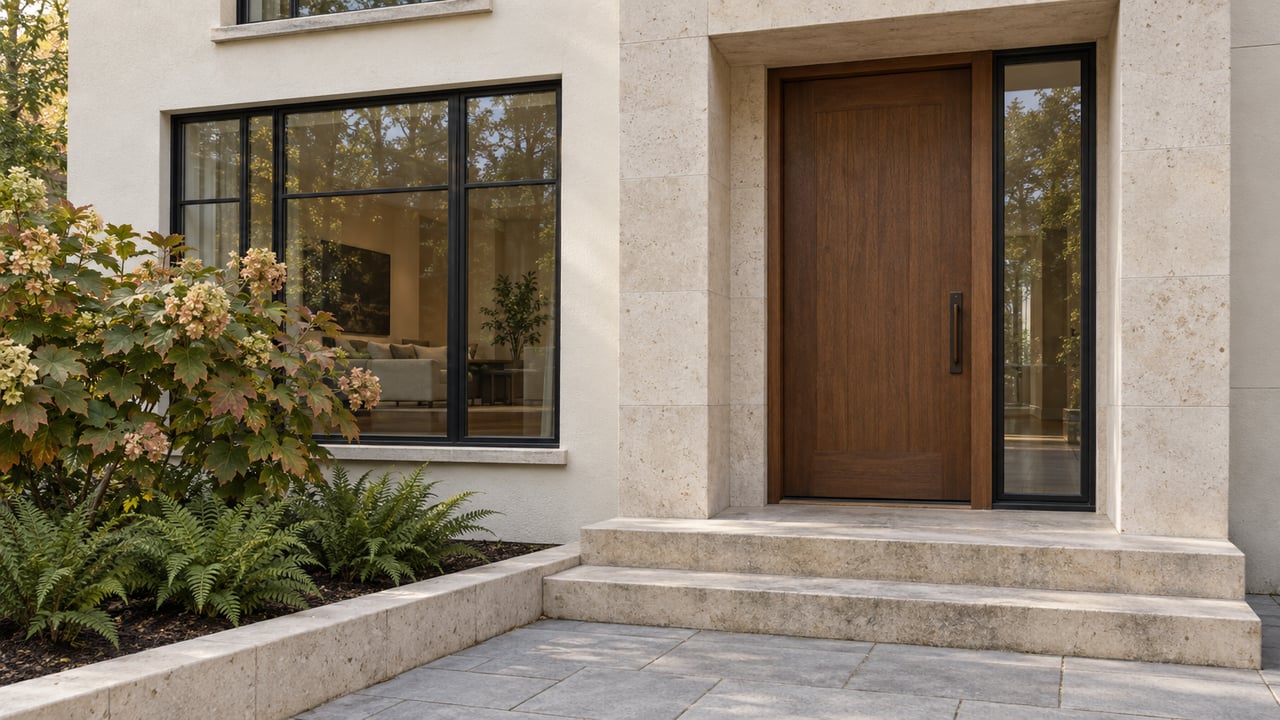
- Fresh landscaping and curb appeal
NAR staging guidance supports this approach by recommending natural light, neutral wall colors, open-feeling rooms, streamlined decor, and removal of worn carpeting. For many Grogan’s Mill homes, the right strategy is to make the home feel bright, clean, and well-kept while keeping the character that fits an established village.
Keep the Character, Remove the Doubt
One common mistake is overcorrecting. Sellers sometimes feel pressure to strip away everything that makes an older home distinct. In Grogan’s Mill, that can work against you.
This neighborhood is known for its wooded setting and original-village appeal. Buyers may respond well to warmth, mature landscaping, and architectural details that feel authentic to the home. What matters most is removing visible maintenance concerns and anything that makes the property feel dated in a neglected way.
A good rule is simple: preserve the charm, reduce the distraction. If a feature adds character, keep it. If it signals repair work or future expense, address it before you launch.
Use Staging Strategically
Staging does not have to be elaborate to be effective. In the 2025 NAR staging profile, the median spend on a staging service was $1,500. The same report found that 19% of sellers’ agents said staging increased the offered price by 1% to 5%.
That is a useful reminder that modest staging can still make a difference. You do not need to stage every room equally. Buyers tend to judge the whole home based on a few high-impact spaces.
Rooms to prioritize first
- Living room
- Primary bedroom
- Kitchen
- Dining room
These were the rooms most often staged in NAR’s data, and they tend to shape buyer perception quickly. If your budget is limited, start there. Thoughtful furniture placement, lighter decor, and a cleaner visual flow can go a long way.
Build Your Listing for Online Buyers
Your first showing often happens online. NAR reports that 43% of buyers start by searching the internet, all buyers use the internet in some way, and 81% rate listing photos as the most useful feature in their online search.
That matters because many buyers are deciding whether your home is worth seeing in person before they ever schedule a visit. Buyers in the same data set spent a median of 10 weeks searching and viewed seven homes, including two online only. Your listing has to do real work before anyone walks through the door.
What your launch should include
- Professional photography
- A strong lead image
- Smart photo order that shows the best features early
- Clear room dimensions
- Upgrade notes
- A simple floor plan if available
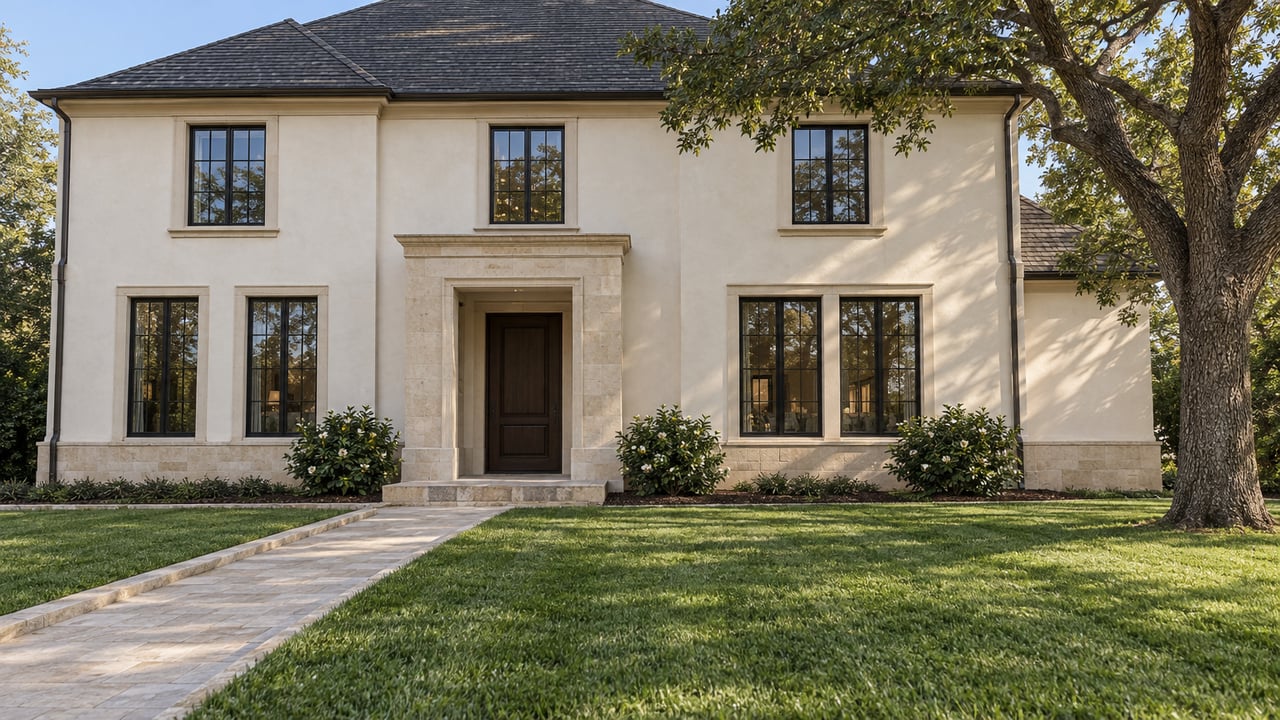
For an older Grogan’s Mill home, the photos should highlight the exterior, entry, living room, primary suite, kitchen, and yard. Those spaces shape early impressions and help buyers understand both the home’s condition and its lifestyle appeal.
Be Careful With Edited Photos
Photo quality matters, but accuracy matters too. Overedited images or misleading virtual staging can create disappointment when buyers arrive and see something different in person.
NAR’s 2026 coverage on listing photos notes that AI filters and virtual staging can be helpful when they clarify a space, but they become a problem when they hide condition or distort scale. If virtual staging is used, buyers should know it is virtual. A confident listing should feel polished, not misleading.
Price From the Market, Not Emotion
Pricing an older home can feel personal, especially if you have invested time and money over many years. Still, buyers will compare your home to current alternatives, not just to your renovation costs or memories.
In a market with more listings and somewhat slower movement in Grogan’s Mill, pricing should be tied to recent neighborhood comparables and adjusted for condition. Two homes with similar square footage may not compete the same way if one is fully updated and the other needs cosmetic work.
This is where neighborhood-level guidance matters. A disciplined pricing plan helps you avoid starting too high, sitting on the market, and chasing the market down with price reductions later.
Have Tax and Cost Details Ready
Buyers do not look only at list price. They also consider monthly carrying costs. The Woodlands Township notes that Township property tax appears as an additional line on the county tax bill, and Woodlands Water says MUD tax rates vary by district and relate to infrastructure age.
For sellers, that means preparation should include more than cleaning and photos. Have your current tax bill, MUD information, and any exemption status ready. Clear numbers help buyers evaluate the full cost of ownership and can make your listing feel easier to understand.
Handle Disclosures Before You Launch
For older homes, disclosure work is especially important. In Texas, TREC states that the Seller’s Disclosure Notice is required for previously occupied single-family residences.
If your home was built before 1978, federal lead-based paint rules also apply. EPA says sellers must disclose known information about lead-based paint, provide the required warning statement, share available records, and give buyers a 10-day opportunity to conduct a lead inspection.
If pre-listing work may disturb painted surfaces in a pre-1978 home, lead-safe renovation practices also matter. Getting these items organized early helps avoid delays and protects the transaction from preventable issues.
A Smart Selling Plan for Grogan’s Mill
Selling an older home in Grogan’s Mill is not about apologizing for its age. It is about presenting it honestly and strategically. Buyers are often drawn to established homes for their setting, layout, lot, and sense of place, especially in a village with deep roots in The Woodlands.
When you combine selective updates, thoughtful staging, strong photography, disciplined pricing, and complete disclosure prep, your home is in a much better position to stand out. If you want a clear plan built around your home’s condition, features, and neighborhood competition, Beth Ferester can help you prepare, price, and launch with confidence.
FAQs
What updates are most worth doing before selling an older home in Grogan’s Mill?
- The best place to start is usually neutral paint, improved lighting, deep cleaning, decluttering, flooring touchups, and curb appeal.
How much staging does a Grogan’s Mill home usually need?
- Many sellers can make a strong impact with modest staging, especially in the living room, primary bedroom, kitchen, and dining room.
How should you position an older Grogan’s Mill home against newer homes?
- Focus on mature trees, established surroundings, original-village character, ongoing village-center reinvestment, and overall value.
What disclosures are required when selling an older home in Texas?
- Previously occupied single-family homes generally require a Texas Seller’s Disclosure Notice, and homes built before 1978 also require lead-based paint disclosures.
Why does pricing matter so much for older homes in Grogan’s Mill?
- Because the neighborhood is moving somewhat more slowly than the broader Woodlands market, buyers tend to compare condition, value, and monthly costs very closely.