Why Live in Magnolia, TX
Magnolia offers something increasingly rare in the Greater Houston area: genuine small-town character within easy reach of The Woodlands and Houston's major employment centers. Located in Montgomery County along FM 1488 and FM 149, roughly 40 miles northwest of downtown Houston, Magnolia has grown from a population of just 2,359 in 2020 to an estimated 8,095 by 2025 — a remarkable pace of growth that has yet to erase the town's roots as a railroad and timber community. The area is bordered by Sam Houston National Forest, dotted with rolling ranch land, and close enough to Lake Conroe and The Woodlands to give residents genuine access to both nature and city amenitie.
Founded in 1845 as Mink's Prairie, the town took its modern name and identity around the Magnolia Railroad Depot, built in 1902 as a station on the International & Great Northern Railroad. By the 1920s, Magnolia was a thriving shipping center for lumber, farm products, and cattle, home to sawmills, general stores, a bank, hotel, and its own telegraph station. The city officially incorporated in 1968, and that railroad-town history remains visible today at the Magnolia Depot Complex — now a museum and community events venue that hosts the town's annual Hometown Christmas Parade and other gatherings. Nearby, the Texas Renaissance Festival draws visitors from across the state each fall, while residents enjoy year-round access to golf, equestrian facilities, hunting, fishing, and cycling throughout the surrounding countryside.
Magnolia, TX Real Estate
Magnolia's real estate market offers one of the more accessible entry points into the broader Houston-area corridor, with meaningful variation depending on lot size, proximity to acreage communities, and distance to The Woodlands. As of mid-2026, the typical home value in Magnolia sits around $289,500 to $362,000 depending on the data source, with median listing prices closer to $354,000 and median sale-to-list dynamics reflecting a market that has cooled from recent-year highs — average sale prices were down roughly 15% year-over-year as of mid-2026, giving buyers more room to negotiate than in prior cycles.
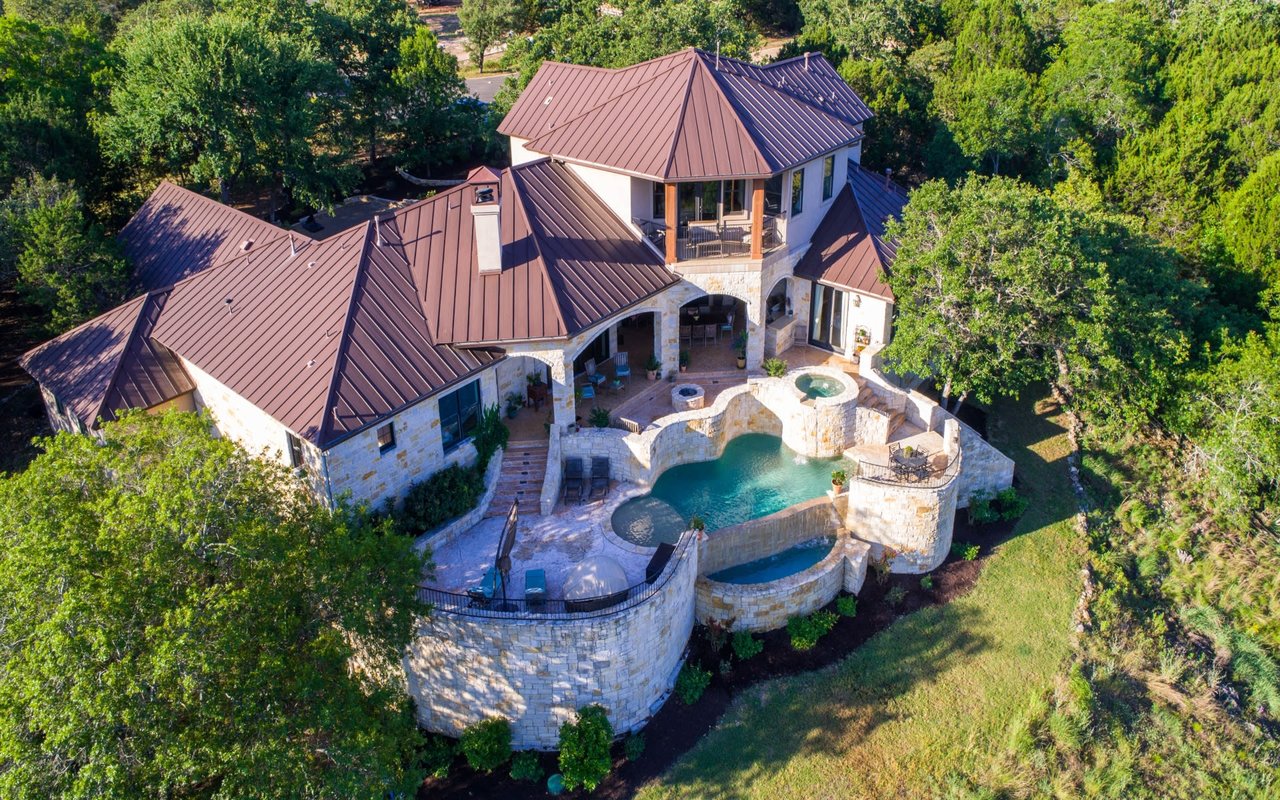
The market spans an unusually wide range for a town of Magnolia's size — from established in-town homes and smaller subdivisions to substantial acreage estates in communities like Lake Windcrest and Deer Crossing, where properties on 4 to 16-plus acres regularly trade well above the town median. Magnolia's overall home value range runs from the low six figures up to properties exceeding $3 million, reflecting the town's dual identity as both an affordable Houston-area suburb and a genuine ranch-and-acreage community.
Who Lives Here
Magnolia attracts a wide mix of residents who value space, affordability, and proximity to Houston's northern employment corridor.
Families
Magnolia ISD and the broader Montgomery County school system, along with newer master-planned communities and acreage subdivisions, make Magnolia appealing to families seeking more land and lower price points than The Woodlands or closer-in Houston suburbs offer.
Equestrian and Acreage Buyers
Magnolia's rural character and larger-lot communities like Lake Windcrest and Deer Crossing draw buyers specifically seeking horse property, hobby farms, and the working-ranch lifestyle that has become increasingly scarce closer to Houston.
The Woodlands and Houston Commuters
Many residents work in The Woodlands, Tomball, or Houston proper, choosing Magnolia for its more affordable housing and rural residential character while maintaining a manageable commute via FM 1488, FM 149, and the Grand Parkway.
Retirees and Rural Lifestyle Seekers
Magnolia's quieter pace, proximity to Sam Houston National Forest, and lower cost of living relative to The Woodlands make it an increasingly popular choice for retirees and buyers looking to downsize their commute without downsizing their land.
Remote Workers and Relocators
Out-of-state buyers and Houston-area transplants are increasingly choosing Magnolia for its combination of Texas affordability, small-town identity, and genuine acreage options within reach of major metro amenities.
Buying and Renting Tips
For Buyers
- Magnolia's housing stock spans everything from in-town starter homes to multi-acre ranch properties — clarify whether proximity to town amenities or land and privacy is the higher priority before beginning a search.
- Many acreage and rural properties outside Magnolia's core rely on private wells, septic systems, and sometimes propane rather than city utilities. Confirm utility infrastructure and condition before making an offer.
- Review HOA documents carefully for newer subdivisions and acreage communities, where amenity access, road maintenance, and deed restrictions can vary significantly between neighborhoods.
- Pre-approval is essential before beginning a serious search, particularly for well-priced properties in desirable school zones or acreage communities near Lake Windcrest.
For Renters
- Single-family homes represent the dominant rental inventory in Magnolia, reflecting the area's strong owner-occupancy and rural residential character.
- Rentals near FM 1488 and closer to The Woodlands commute corridor tend to move quickly given commuter demand.
- Consider drive times to The Woodlands, Tomball, and Houston carefully — Magnolia's rural roads and two-lane highways can see meaningful congestion during peak commute hours.
Factors to Consider When Buying
Rural vs. In-Town Positioning:
Magnolia offers a genuine choice between in-town, subdivision-style living and larger acreage properties further from the town center — understanding which lifestyle and maintenance commitment fits your priorities is the most important early decision.
Utilities and Infrastructure:
Properties outside established subdivisions frequently rely on private wells, septic systems, and propane. Buyers should confirm utility availability, system age, and condition before purchasing rural or semi-rural parcels.
School Zones:
Magnolia ISD serves most of the area, though buyers should confirm specific school assignments at the address level, particularly for newer developments on the town's edges.
Commute Planning:
FM 1488 and the Grand Parkway provide the primary routes to The Woodlands and Houston. Buyers whose employment requires regular commuting should drive their specific route at peak hours before committing to a neighborhood.
Factors to Consider When Selling
Know the Buyer Profile:
Magnolia draws buyers prioritizing acreage and rural lifestyle, families seeking affordability relative to The Woodlands, and commuters trading square footage for a longer drive. Marketing that speaks directly to the right motivation for a specific property performs best.
Highlight Land and Privacy:
For acreage properties, marketing should emphasize lot size, privacy, and any equestrian or agricultural infrastructure — these are often the primary reason buyers choose Magnolia over closer-in alternatives.
Accurate Pricing in a Cooling Market:
With average sale prices down meaningfully year-over-year, pricing based on current comparable sales rather than peak-era data is essential for a timely sale.
Seasonal Timing:
Spring and early summer typically bring the strongest buyer activity, aligning with school enrollment timelines and improved weather for viewing larger rural properties.
Magnolia, TX Real Estate FAQ
What is the average home price in Magnolia, TX?
As of mid-2026, the typical home value in Magnolia sits around $289,500 to $362,000 depending on the data source, with median list prices near $354,000. Pricing varies significantly by property type — from in-town homes in the low $200,000s to acreage estates that can exceed $1 million or more.
What types of homes are available in Magnolia, TX?
Magnolia offers in-town single-family homes, newer subdivision and master-planned community homes, acreage and equestrian properties in communities like Lake Windcrest and Deer Crossing, and rural ranch-style land throughout the surrounding countryside.
Is Magnolia a good place for families?
Yes. Magnolia ISD serves much of the area, and the town's mix of affordable subdivisions and larger-lot communities gives families more space and value than comparable options in The Woodlands or closer-in Houston suburbs.
How are the commuting options from Magnolia?
Residents primarily rely on personal vehicles, with FM 1488, FM 149, and the Grand Parkway providing the main routes to The Woodlands, Tomball, and Houston. Commute times to The Woodlands generally run 20 to 35 minutes, while Houston commutes can range from 45 minutes to over an hour depending on destination and traffic.
What is the lifestyle like in Magnolia?
Magnolia offers a relaxed, rural-adjacent lifestyle centered around its historic railroad depot, nearby Sam Houston National Forest, and outdoor activities including golfing, horseback riding, hunting, fishing, and cycling. The annual Hometown Christmas Parade and the nearby Texas Renaissance Festival add to the town's community calendar.
Is Magnolia a good place to retire?
Yes. Magnolia's quieter pace, lower cost of living relative to The Woodlands, proximity to Sam Houston National Forest, and access to Montgomery County's broader medical infrastructure make it an appealing option for retirees seeking space and affordability without leaving the greater Houston region.
--------
When it comes to buying or selling in Magnolia, TX, The Ferester Team provides the local expertise, market knowledge, and personalized guidance needed to navigate one of Montgomery County's fastest-growing communities. Whether you're searching for an acreage retreat, a family home in a growing subdivision, or a rural property with room to roam, their team is committed to helping clients make confident real estate decisions while delivering a smooth and successful experience from start to finish.